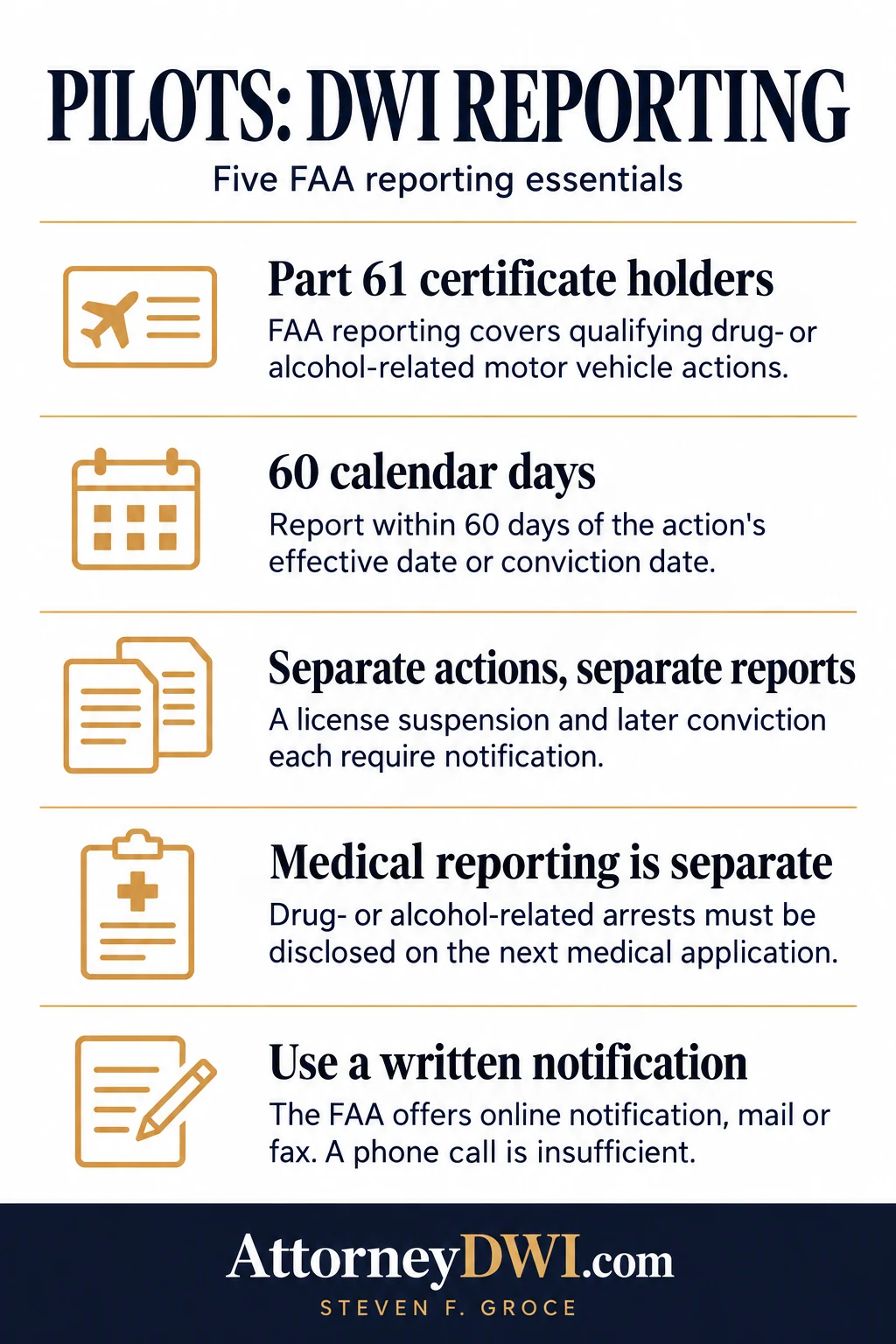
A DWI or DUI does not automatically mean that a pilot will lose an FAA medical certificate. However, alcohol- and drug-related driving history can become relevant to the FAA medical certification process, making it important for pilots to understand how an incident may affect future applications or renewals.
FAA medical certification involves considerations that do not ordinarily apply to a driver facing a DWI. Depending on the circumstances and the pilot's history, an alcohol- or drug-related motor vehicle action may lead to additional questions, documentation requirements, or review concerning substance use.
Potential concerns can include:
- Disclosure of alcohol- or drug-related motor vehicle actions;
- Prior DWI or DUI history;
- Driver's license suspensions or revocations related to alcohol or drugs;
- Information concerning blood alcohol concentration;
- Requests for records or additional documentation;
- Questions involving substance abuse or dependence; and
- The effect of the incident on current or future medical certification.
A pilot should not assume that the outcome of the criminal case automatically determines what happens with an FAA medical certificate. The criminal proceeding and federal medical certification process involve different standards and considerations.
Accuracy can also be particularly important when completing applications or responding to requests for information. Pilots should understand what information is being requested and avoid making assumptions about whether an alcohol- or drug-related incident is relevant simply because it occurred outside an aircraft.
For professional pilots, medical certification concerns can have obvious employment implications. For private and recreational aviators, losing or delaying the ability to exercise privileges requiring medical certification can interfere with an activity that may represent a significant part of their lives.
Steven F. Groce understands why these concerns matter to aviators. As both a criminal defense attorney and commercial pilot, he brings firsthand familiarity with aviation to representing pilots facing DWI or DUI allegations and related FAA issues.
FAA Enforcement Actions After a DWI or DUI
A pilot facing DWI or DUI allegations may also have concerns about whether the incident could result in FAA scrutiny or enforcement action. These federal concerns are separate from the underlying city or state criminal case and should not be treated as though the resolution of one automatically determines the other.
FAA action can potentially involve questions concerning compliance with federal aviation requirements, reporting obligations, airman certification, and the circumstances surrounding an alcohol- or drug-related incident.
For pilots, this creates an important distinction between several possible consequences:
- The criminal DWI or DUI proceeding;
- Action against ordinary driving privileges;
- FAA reporting obligations;
- Medical certification concerns; and
- Potential FAA enforcement or certificate-related issues.
Not every DWI or DUI produces the same aviation consequences. A pilot's history, the nature of the motor vehicle action, compliance with reporting requirements, and other circumstances can affect what issues arise.
Steven specifically represents pilots in connection with DWI and DUI charges as well as related FAA enforcement matters. He is also identified as a Panel Attorney for the AOPA Legal Services Plan. Combined with his legal practice dating back to 1984 and his own experience as a commercial pilot, that gives Steven a distinctive background for representing aviators facing overlapping criminal and aviation-related concerns.
A pilot who receives a favorable outcome in state court should not simply assume that every federal aviation issue disappears with it. Likewise, the existence of an FAA concern does not determine the outcome of the underlying criminal charge. Each issue must be considered according to the rules and evidence that apply to it.
Missouri DWI Charges Against Pilots
Before considering the potential FAA consequences, there is still an underlying DWI or DUI allegation that must be addressed. Pilots accused of impaired driving have the same right as any other defendant to require the government to prove the criminal charge.
Missouri generally refers to impaired-driving offenses as DWI, or driving while intoxicated. Steven'sMissouri DWI laws information provides additional background on intoxicated-driving laws in the state.
Depending on the circumstances of a pilot's arrest, relevant issues in the criminal case may include:
- The reason for the traffic stop;
- Officer observations of alleged impairment;
- Body camera or dashboard camera footage;
- Field sobriety exercises;
- Breath or blood alcohol testing;
- Alleged refusal to submit to chemical testing;
- Prescription medications or controlled substances;
- Statements made during the investigation; and
- Prior DWI or DUI history.
The underlying criminal case matters because its consequences can include fines, incarceration in more serious cases, probation or other court requirements, and effects on ordinary driving privileges. Repeat or felony DWI allegations can increase those potential consequences considerably.
Pilots may also have professional considerations that make the criminal case especially significant. A commercial pilot, flight instructor, airline pilot, or other aviation professional may have employment concerns that an ordinary driver does not face.
At the same time, aviation credentials do not change the prosecution's burden in a Missouri DWI case. Evidence concerning the traffic stop, alleged impairment, chemical testing, and other circumstances still must be evaluated based on the facts of the individual case.
For Steven, this area of representation brings together two substantial parts of his background. He has practiced law for more than four decades, with DWI defense serving as a major focus of his criminal practice, while his Commercial Airman Certificate and personal involvement in aerobatic flying give him firsthand familiarity with the aviation community he represents.
Alcohol, Pilots, and the FAA's "Bottle to Throttle" Rules
A DWI or DUI involving a motor vehicle is different from operating an aircraft after consuming alcohol, but pilots should understand that federal aviation regulations establish separate alcohol restrictions for crewmembers.
Federal rules prohibit a person from acting or attempting to act as a crewmember of a civil aircraft within eight hours after consuming an alcoholic beverage. They also prohibit acting as a crewmember while under the influence of alcohol or with an alcohol concentration of 0.04 or greater.
Pilots commonly know the eight-hour minimum through the phrase "bottle to throttle." However, simply allowing eight hours to pass does not necessarily mean a pilot is fit to fly. Alcohol can continue to affect judgment, coordination, reaction time, and other faculties after the minimum period has passed.
Important considerations include:
- At least eight hours must pass after consuming alcohol before acting or attempting to act as a crewmember;
- A pilot cannot act as a crewmember while under the influence of alcohol;
- Federal aviation rules establish a 0.04 alcohol concentration restriction for crewmembers; and
- Meeting the minimum time requirement does not override the separate requirement to be fit for flight.
These aviation rules address conduct involving an aircraft and should not be confused with Missouri's laws governing DWI on public roadways. A pilot could therefore encounter very different legal questions depending on whether an incident involves alleged intoxicated driving, fitness for flight, or both.
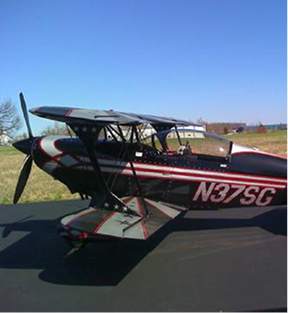
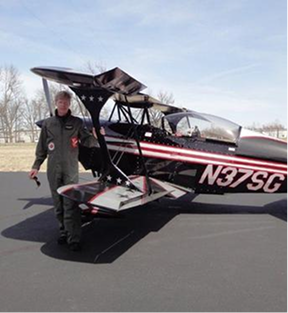
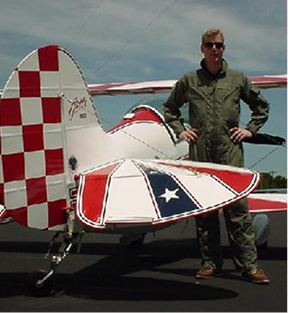
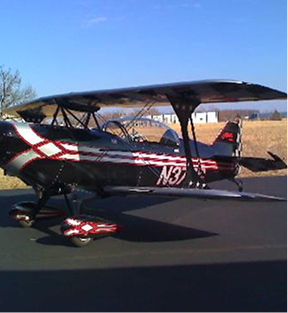
Steven F. Groce has more than an academic familiarity with these concerns. He holds a Commercial Airman Certificate and is personally active in aerobatic flying. As the owner of a Pitts Special S2-C, Steven understands the concentration, judgment, and physical coordination aviation demands, particularly during advanced maneuvers.
That aviation experience provides relevant perspective when representing pilots whose alcohol-related legal concerns may extend beyond an ordinary Missouri DWI charge.
Prescription Medications, Drugs, and Fitness for Flight
Alcohol is not the only substance that can create fitness-for-flight concerns. Prescription medications, over-the-counter medications, controlled substances, and other drugs may affect a person's faculties in ways that are incompatible with safely performing crewmember duties.
Federal aviation rules prohibit acting as a crewmember while using a drug that affects a person's faculties in a way contrary to safety. Unlike the familiar eight-hour alcohol rule, determining when a particular medication may affect safe flight cannot necessarily be reduced to one universal waiting period.
For pilots, relevant concerns can include:
- Whether a medication can impair alertness, judgment, coordination, or reaction time;
- The effects of combining medications or substances;
- Whether a medical condition or treatment creates separate certification concerns;
- Drug-related driving allegations that may need to be disclosed or reported; and
- Whether a substance-related incident creates both criminal and aviation consequences.
A drug-related DWI can further complicate the situation. Missouri DWI allegations are not limited to alcohol. A driver accused of operating a vehicle while impaired by drugs may face criminal charges even when no traditional alcohol BAC result is involved.
For a pilot, that type of case may create questions extending beyond the Missouri courtroom. The underlying DWI allegation, the substance involved, FAA reporting obligations, and medical certification concerns may all require separate consideration.
Steven represents clients facing drug-related DWI allegations as part of his broader criminal defense practice. His aviation background also gives him firsthand appreciation for why questions involving medication, impairment, and fitness for flight deserve careful attention when the person facing them is a pilot.
DWI License Suspension Concerns for Pilots
Pilots facing DWI or DUI allegations may be understandably focused on protecting their ability to fly, but the same incident can also threaten their ordinary driving privileges.
A Missouri DWI arrest can lead to driver's license consequences involving a failed chemical test, an alleged refusal, a criminal conviction, or prior intoxication-related history. These issues exist separately from FAA certification and medical concerns.
SpringfieldDWI license suspension attorney Steven F. Groce represents clients dealing with DWI-related suspension, revocation, and limited-driving issues in Missouri.
For a pilot, one incident can therefore potentially create concerns involving:
- The underlying criminal DWI charge;
- Missouri driving privileges;
- FAA reporting requirements;
- FAA medical certification; and
- Aviation-related enforcement or certificate consequences.
A driver's license suspension and an airman certificate are not the same thing. However, alcohol- or drug-related action against driving privileges can have significance under federal reporting and medical requirements, making it important for pilots to understand the different consequences that may flow from the same event.
This can be particularly important for professional pilots. Losing ordinary driving privileges can create practical difficulties getting to work, while unresolved aviation-related issues may affect the work itself.
Steven's combination of longstanding DWI experience and personal aviation background is particularly relevant in this setting. He has practiced law since 1984, holds a Commercial Airman Certificate, and represents pilots facing DWI or DUI allegations and related FAA concerns.
Legal Issues That May Affect a Pilot's DWI Case
A DWI or DUI involving a pilot can present legal and regulatory issues that extend beyond those involved in a typical impaired-driving case. The underlying criminal allegation remains important, but pilots may also need to consider how the incident affects their driving privileges, FAA obligations, medical certification, and ability to continue flying.
Depending on the circumstances, relevant issues may include:
- Whether law enforcement had lawful grounds for the traffic stop;
- Officer observations and video evidence concerning alleged impairment;
- Field sobriety exercises;
- Breath, blood, or other chemical testing;
- The circumstances surrounding an alleged chemical test refusal;
- Prescription medication or controlled-substance allegations;
- Prior alcohol- or drug-related driving history;
- Action against the pilot's driver's license;
- FAA reporting obligations;
- Medical certification concerns; and
- Potential FAA enforcement or certificate-related issues.
These issues should not necessarily be treated as one proceeding with one outcome. A question involving the admissibility or strength of evidence in a Missouri DWI prosecution is different from determining whether a motor vehicle action must be reported to the FAA. Likewise, a driver's license suspension does not automatically determine what happens to an airman or medical certificate.
An attorney representing a pilot may therefore need to consider both the immediate criminal allegation and the separate aviation-related concerns arising from the incident. Which issues matter will depend on the pilot's history, certificates, professional circumstances, and facts of the individual case.
Steven F. Groce brings a particularly relevant background to these matters. He has practiced law since 1984, represents pilots facing DWI and DUI allegations and related FAA enforcement matters, and is himself a commercial pilot. That combination allows pilots to discuss their legal concerns with an attorney who also understands the significance aviation can hold in their professional and personal lives.
Why Pilots Choose Steven F. Groce for DWI Representation
Pilots facing DWI or DUI allegations may want an attorney who understands that protecting their future can involve more than addressing the charge in criminal court. Aviation can be a career, a lifelong pursuit, or an important part of someone's identity, and alcohol- or drug-related legal problems can create concerns that ordinary drivers never encounter.
Steven F. Groce offers a combination of criminal defense experience and personal aviation experience that distinguishes his practice.
Pilots can turn to Steven for:
- More than four decades of legal experience. Steven has practiced law since 1984, with DWI defense serving as a significant part of his criminal practice.
- Personal experience as a commercial pilot. Steven holds a Commercial Airman Certificate and understands aviation from inside the cockpit rather than solely from legal research.
- A genuine involvement in aviation. Steven owns and flies a Pitts Special S2-C aerobatic airplane and has a personal passion for advanced aerobatic flying.
- Representation involving DWI and DUI charges. He represents pilots accused of impaired driving in city and state courts.
- Representation involving FAA concerns. Steven's existing aviation practice includes related FAA enforcement matters.
- AOPA Legal Services Plan involvement. Steven is identified as a Panel Attorney for the AOPA Legal Services Plan.
- Understanding of overlapping consequences. A pilot's case may involve criminal charges, Missouri driving privileges, FAA reporting, medical certification, and other aviation concerns.
- Direct attorney representation. Pilots work directly with Steven when seeking legal representation.
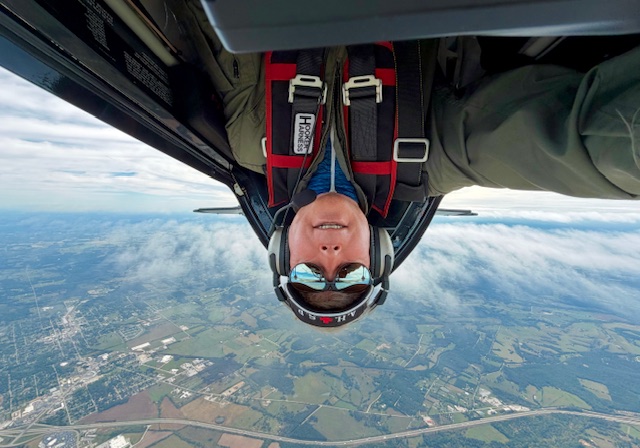
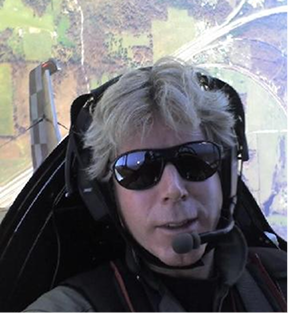
Steven's aviation background is particularly meaningful because flying is clearly more than a credential on his résumé. The Pitts Special S2-C is purpose-built for aerobatic flight, and Steven's own flying includes advanced maneuvers such as rolls, loops, avalanches, and inverted spins. He understands the preparation, judgment, discipline, and commitment that aviation requires.
He also understands that pilots experience aviation differently. For one client, flying may be a profession supporting a family. For another, it may represent decades of training and a lifelong personal passion. In either situation, the possibility that a DWI or DUI could affect flying privileges deserves serious attention.
No attorney can guarantee how a criminal case or FAA matter will be resolved. Steven's distinction is more concrete: he combines more than 40 years of legal practice with genuine firsthand experience as an aviator and representation of pilots facing DWI, DUI, and related FAA concerns.